The Architecture of Restoration: Capital, Constraints, and Horizon Timelines in Nordic Wellness Innovation
A strategic appraisal of capital intensity, geothermal site development, and clinical-aesthetic design pipelines across the evolving Northern European restorative economy.
 Idris CarterMusic critic
First published 11/6/2026 · monitored for updates; the next revision publishes a new version and appears here. Reader corrections are reviewed and folded into future versions.
Summary
Building the next generation of restorative health spaces demands an unsparing audit of capital expenditure, environmental permitting, and spatial execution. Across the volcanic ridges of Iceland and the coastal archipelagos of Scandinavia, wellness is shifting away from ephemeral software applications toward enduring physical sanctuaries and bespoke sensory interventions. Founders and creative directors must navigate complex thermal fluid dynamics, rigid territorial land stewardship, and multi-year commissioning phases before admitting their first guest. Understanding these systemic friction points separates enduring institutions like the Blue Lagoon or Laugarvatn Fontana from undercapitalized retreats that falter against the elements.
Key takeaways
- Geothermal wellness facilities require 36 to 60 months of development due to environmental impact assessments and sub-surface hydrological drilling.
- CapEx per key for Nordic bathhouses and cold-water therapy retreats averages between $450,000 and $850,000, heavily indexed to mineral corrosion resistance and subterranean engineering.
- Design and architecture must harmonize with volatile weather, mandating raw basalt, charred timber, and triple-glazed curtain walls that elevate maintenance operational expenditure.
- Clinical verification of hot-and-cold immersion regimes requires rigorous 18-to-24-month longitudinal testing cycles before founders can make substantiated physiological claims.
- The highest margins emerge from vertically integrated cosmetic and marine biopolymer labs connected directly to geothermal runoff effluents.
- Sustainable water cycling protocols and zero-discharge standards represent non-negotiable regulatory thresholds across Nordic jurisdictions.
Explain like I'm 5
Imagine you want to build an incredible warm pool and sauna nestled inside an old volcanic lava field. You cannot simply dig a hole and fill it with hot water; you have to find underground hot springs, test the minerals so they do not ruin the pipes, and convince nature conservationists that your project will keep the landscape safe. It takes years and millions of dollars to build buildings that survive freezing arctic winds, acid-rich steam, and snowstorms. Because every stone, pipe, and window must be custom-made to resist corrosion, building a natural bathhouse is much more like building an offshore research station than opening a neighborhood gym. Founders who succeed are those who plan for slow, patient construction rather than rushing to launch.
Deep dive
The Subterranean Ledger: Mineral Realities and Permitting Latency
In the high latitudes of the North Atlantic, visionary wellness concepts collide immediately with geology. A brand proposing an integrative geothermal bathhouse in Reykjanes or Trollaskagi must confront an initial two-to-three-year timeline dedicated solely to subsurface hydrological mapping, borehole validation, and regulatory concessions via Orkustofnun. Extracting mineral-rich waters requires drilling depths often exceeding 1,200 meters, carrying raw exploratory costs between $1.5 million and $3.2 million per borehole with no binary guarantee of sustainable flow rates or benign sulfur concentrations. Furthermore, the National Planning Agency (Skipulagsstofnun) enforces rigorous environmental impact assessments to preserve fragile moss-covered lava fields, introducing a 14-month administrative buffer before any structural earthworks commence.
Architectural Tectonics Against Arctic Weathering
Executing an aesthetic language of austere luxury demands materials capable of withstanding corrosive hydrogen sulfide vapor, salt-laden marine air, and seasonal temperature swings spanning forty degrees Celsius. Conventional luxury finishes disintegrate rapidly in these environments. Architectural firms such as Basalt Arkitektar—pioneers of the Retreat at Blue Lagoon—have established that structural concrete must be fortified with pozzolanic micro-silica, while exposed metallic fixtures must utilize marine-grade titanium or specialized patinated brass rather than generic stainless alloys. This material specification inflates construction budgets by 38 to 55 percent compared to standard continental resort footprints, demanding upfront liquidity buffers that catch conventional private equity investors off-guard.
Biopolymer Upcycling and The Value-Add Cosmetic Pipeline
The true defensibility of high-latitude wellness ventures lies in their peripheral extraction pipelines. Rather than operating purely as spatial hospitality plays, progressive ventures leverage the chemical richness of mineral sludge and marine microalgae to formulate clinical skincare and bioactive compounds. Integrating on-site micro-refineries and filtration systems adds an estimated $2.8 million to initial CapEx and requires a secondary regulatory track through the European Medicines Agency and national health authorities. However, this hybrid model dramatically lowers payback periods from nine years down to 4.5 years by unlocking high-margin consumer packaged goods, as demonstrated by the global commercialization of silica mud and patented microalgal extracts.
- 1987Initial informal bathing in Svartsengi geothermal power plant runoff gives rise to medical recognition of silica brine for psoriasis relief.
- 1999The original Blue Lagoon clinic opens, formalizing the synthesis of geological energy, medical validation, and public spa architecture.
- 2011Laugarvatn Fontana revives historic natural steam baths, proving modern vernacular architecture can integrate over boiling mineral springs.
- 2018Opening of The Retreat at Blue Lagoon establishes the global gold standard for subterranean hospitality, setting CapEx precedents above $800k per key.
- 2021Sky Lagoon launches on the coastal edge of Kopavogur, validating seven-step ritual hydrotherapy within close proximity to metropolitan Reykjavik.
- 2024Forest Lagoon (Skogarbad) expands north-country wellness infrastructure, integrating zero-carbon geothermal heating within birch forests.
- 2026Projected opening of experimental sub-polar offshore floating hydro-retreats engineered around deep marine thermal cycling.
FAQs
Why does building a Nordic wellness bathhouse take over four years?+
The timeline is governed by sub-surface hydrology studies, thermodynamic resource mapping, and rigorous environmental protections overseen by regional planning bodies. Constructing subterranean infrastructure inside volcanic basalt requires specialist excavation machinery and custom anti-corrosive concrete mixes that must cure under complex meteorological conditions.
What constitutes the largest single cost driver in cold-climate wellness projects?+
Mechanical, electrical, and plumbing engineering (MEP) geared toward highly mineralized geothermal brine represents the largest budget line item. Exotic alloy piping, heat exchanger arrays, and titanium heat transfer modules routinely consume up to 35 percent of all hard development expenses.
Can smaller founders enter this space without massive institutional capital?+
Independent operators typically succeed by avoiding raw geothermal drilling, opting instead to tap municipal overflow feeds or focusing on mobile sauna culture, cold-plunge sea pavilions, and dry sensory cabins requiring negligible earth disturbance and sub-$500,000 budgets.
How do regulatory agencies treat geothermal mineral claims?+
Therapeutic, dermatological, or recovery claims fall under strict EU and Nordic cosmetics and medical device regulations. Brands must conduct controlled double-blind trials spanning 18 to 24 months to legally market water or mud extracts for specific clinical outcomes.
What is the typical operational expenditure impact of mineral corrosion?+
Operators must budget an ongoing maintenance reserve equal to 6 to 9 percent of gross operating revenue solely for fixture replacement, heat exchanger descaling, and specialized stone sealing against acid gas degradation.
Is energy independence guaranteed by using geothermal sources?+
While thermal energy is abundant, the electrical power needed to drive multi-stage circulation pumps, advanced filtration, and humidity recovery systems remains significant and vulnerable to regional grid tariff shifts.
Predictions
- Next-generation thermal retreats will integrate private hyperbaric oxygen and hypoxic sleep pods directly within volcanic bedrock suites by 2028.
- Municipalities will cap commercial geothermal concessions, driving up the acquisition premium for grandfathered historical water rights by over 200 percent by 2030.
- Generative thermodynamic modeling will compress mechanical plant engineering timelines from twelve months down to six weeks for custom resort footprints.
- Marine microalgae photobioreactors will become standard architectural facades in urban Nordic day spas, sequestering carbon while generating topical skincare substrates.
Opportunities
- Developing modular titanium-heat-exchanger skids customized specifically for high-silica, corrosive geothermal brines.
- Acquiring decommissioned cold-storage harbors and transforming them into hybrid saunas, cold-water swimming basins, and culinary lab spaces.
- Formulating shelf-stable, dermatologically certified skincare lines derived directly from localized geothermal effluent waters.
- Creating institutional investment funds specialized in navigating high-latitude environmental permitting and hydrological risk underwriting.
For professionals
For managing partners and principal architects, the capital deployment framework for geothermal hospitality differs fundamentally from standard luxury real estate underwriting. Project teams must implement tiered milestone funding gates tied directly to subsurface enthalpy verification rather than conventional zoning approvals. A site exhibiting 140°C bottom-hole temperature with high silica saturation requires an entirely different mechanical lifecycle reserve model than a 75°C low-temperature reservoir with neutral pH. Overlooking trace hydrogen sulfide emissions not only accelerates degradation of exposed electronics and AV infrastructure within guest accommodations, but also demands specialized positive-pressure air filtration cascades across subterranean corridors. From an exit valuation perspective, assets that demonstrate closed-loop environmental equilibrium—where mineral water effluent is completely cooled, de-silicated, and injected back into peripheral geological layers or diverted to agricultural greenhouses—command institutional ESG valuation premiums between 180 and 240 basis points over facilities operating open-drain models. Strategic capital allocation must therefore weight mechanical resilience and hydrological sustainability over superficial decorative finishes during the early developmental tranches.
Sources & references
- Orkustofnun: National Energy Authority of Iceland Geothermal Resource Database
- Basalt Arkitektar: Monograph on Subterranean Geological Integration
- Skipulagsstofnun: Environmental Impact Assessment Guidelines for Coastal and Volcanic Real Estate
- Nordic Health and Wellness Tourism: Market Realities and Horizon Planning (Nordregio)
- Geothermics Journal: Scaling and Corrosion Mitigation in Thermal Mineral Spas
| Geothermal Bath Sanctuary | Coastal Archipelago Sauna Cabin | Biophilic Indoor Sensory Spa | |
|---|---|---|---|
| Average CapEx per Key | $650,000 – $950,000 | $180,000 – $320,000 | $350,000 – $500,000 |
| Permitting & Licensing Horizon | 24 – 36 Months | 9 – 14 Months | 12 – 18 Months |
| Subsurface Geological Risk | High (Drilling / Enthalpy Variance) | Negligible | None (Municipal Grid Dependent) |
| Mechanical Replacement Cycle | 3 – 5 Years (Severe Mineralization) | 7 – 10 Years (Salt Marine Exposure) | 10 – 12 Years (Standard Commercial) |
| Primary Revenue Channel | Integrated Stay, Access & Skincare CPG | Hourly Access & Communal Food Culture | High-Ticket Memberships & Bodywork |
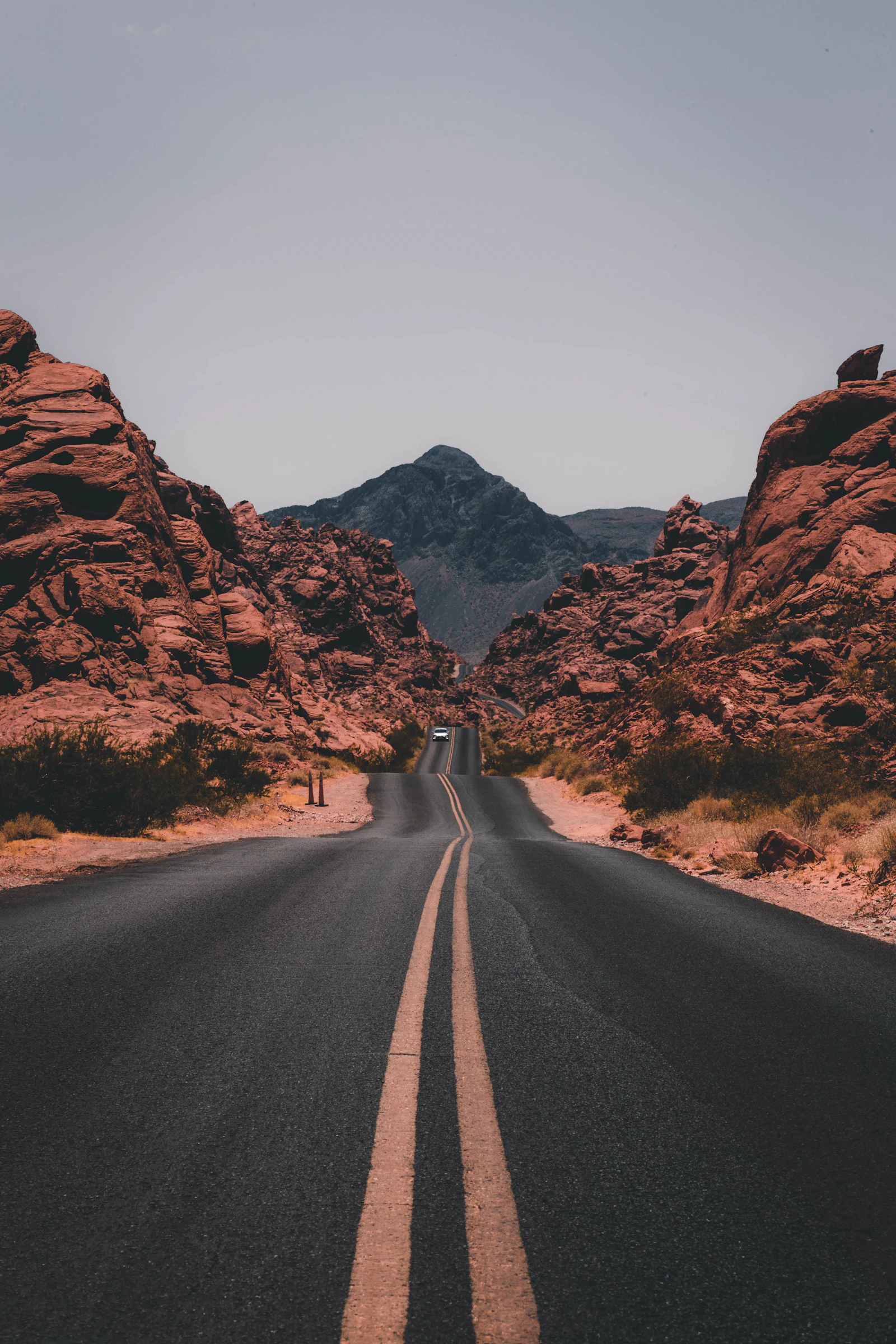
The next era of food will not be shaped by ingredients alone. It will emerge from the choreography of biology, interface, ritual, place, and meaning.

Iceland’s culture of water, weather, movement, and communal restoration offers builders a sharper way to distinguish durable health products from beautifully packaged noise.
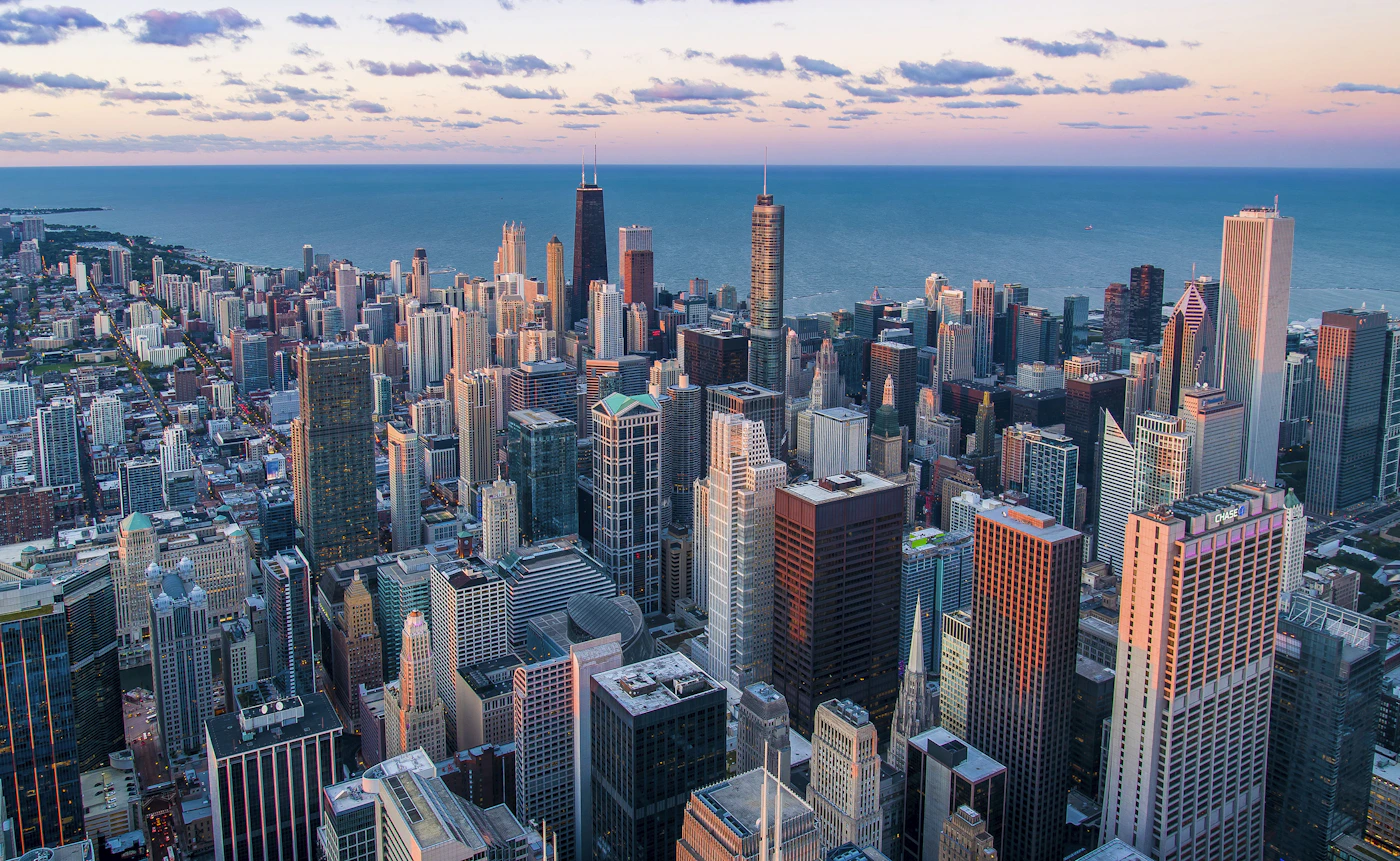
Iceland’s wellness culture is not a spa trend but a civic system: geothermal infrastructure, public pools, outdoor rituals, and social trust designed into everyday life.
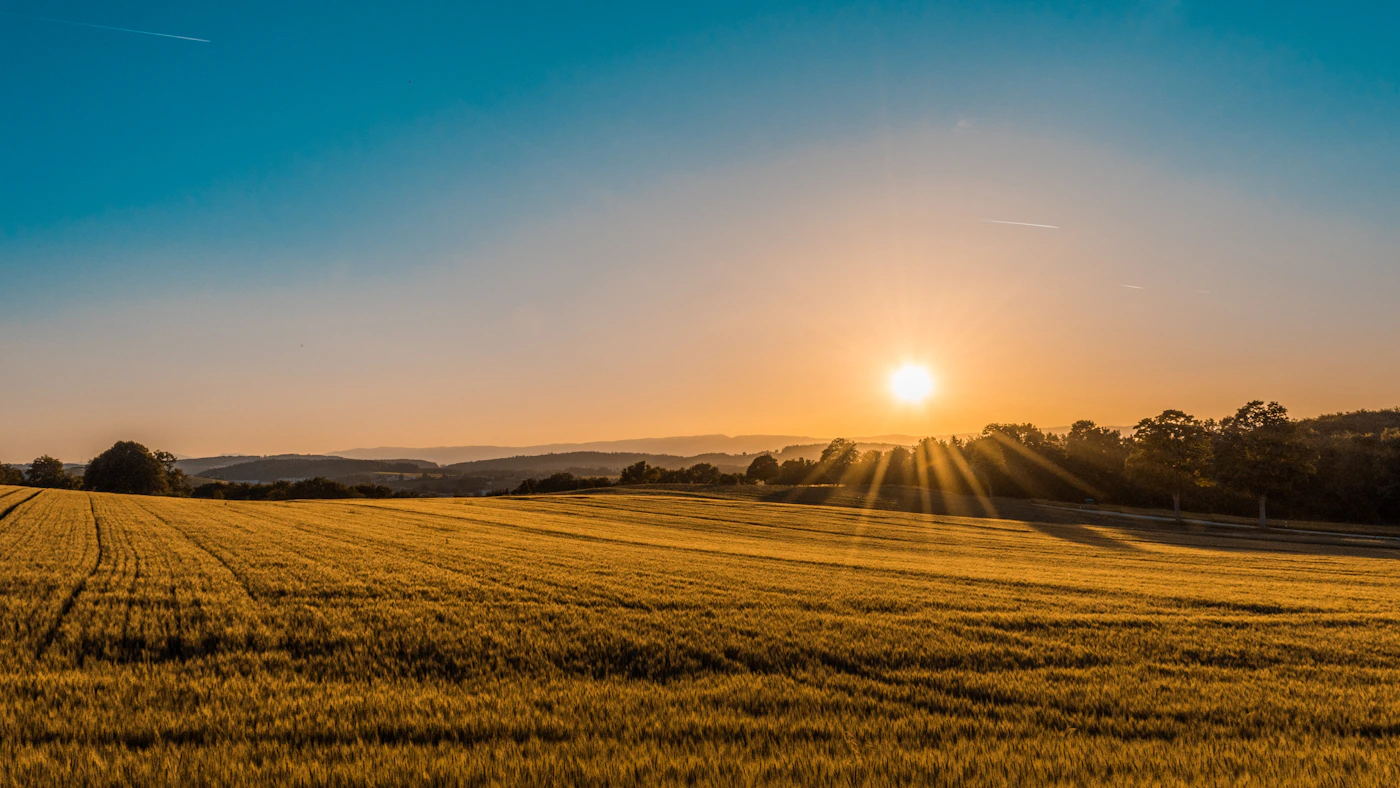
Icelandic bathing culture offers more than a dramatic contrast between geothermal heat and North Atlantic cold. It is a civic ritual—and a compelling blueprint for humane wellness products, places, and services.

A design-minded audit of the evidence behind geothermal bathing, cold immersion, saunas, outdoor movement, sleep, supplements and the seductive promise of Nordic longevity.
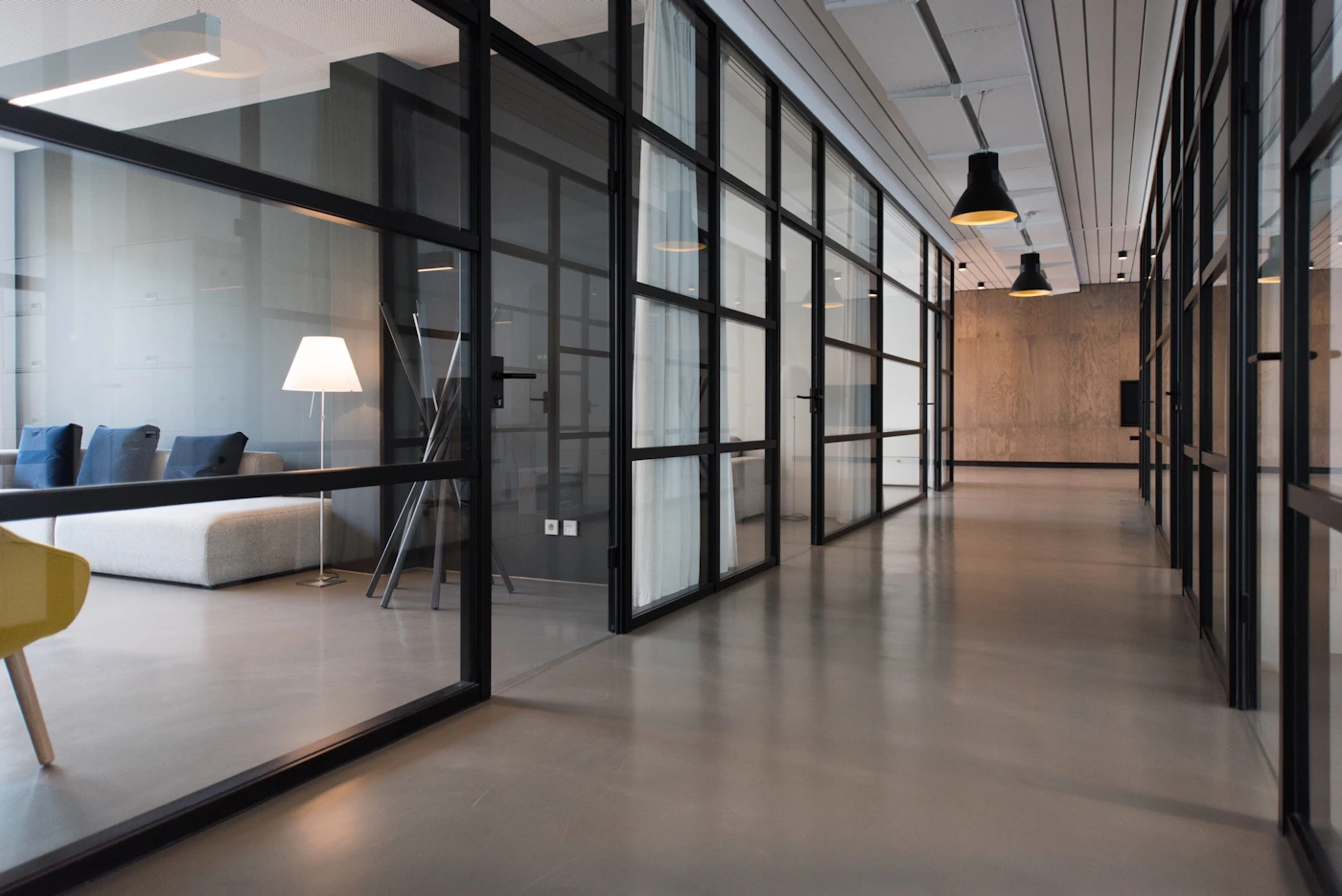
Iceland’s pools are more than leisure infrastructure. They form a civic wellness network where geothermal engineering, ritual contrast and everyday sociability converge—and offer a compelling blueprint for designers, founders and future-focused cities.
From our own rounds
Measured on The Curator, from real sessions people played on this site — not a third-party dataset.
- Rounds played here
- 266
- Questions per round
- 1.7
Most-played topics right now: Product Validation (1).
Play a round and add to these numbers