How Icelandic Wellness Actually Works
From geothermal pools to daylight rituals, Iceland’s wellness culture shows that health is less a purchasable state than a system shaped by place, design, community and repetition.
 Mira SolèneSenior staff writer · Culture & Tech
First published 10/16/2026 · monitored for updates; the next revision publishes a new version and appears here. Reader corrections are reviewed and folded into future versions.
Summary
Icelandic wellness is often exported as an image: steam rising from black lava, a swimmer entering cold water, a retreat beneath the northern lights. Its deeper logic is more useful. Health emerges from interacting systems—sleep, movement, food, social connection, healthcare, environment and economic security—rather than from one heroic habit or premium product. Iceland makes those systems unusually visible: geothermal infrastructure turns bathing into an accessible social ritual; compact towns invite everyday movement; extreme seasonal light exposes the importance of circadian timing. The lesson for builders is not to imitate the scenery, but to design conditions in which healthier behavior becomes ordinary.
Key takeaways
- Wellness is a set of supporting conditions, while health is an outcome influenced by biology, behavior, environment and care.
- Reykjavík’s public pools work because heat, exercise, conversation and routine coexist in one civic service.
- A brief cold plunge creates an acute stress response; evidence for sweeping long-term claims remains limited.
- Seasonal daylight matters because light helps set the body clock, affecting alertness, sleep timing and mood.
- Nature supports wellbeing most reliably when access is nearby, repeatable and safe—not merely spectacular.
- Fermented foods such as skyr can be nutritious, but no traditional ingredient cancels an unbalanced diet.
- The strongest products remove friction, respect local culture and measure outcomes beyond engagement.
- Personal rituals cannot substitute for housing, income, healthcare, clean air or social belonging.
Explain like I'm 5
Think of health as a plant. Exercise, sleep and food are the water and sunlight, but the pot, soil and room matter too. The pot is healthcare, the soil is money and housing, and the room is the place and community around you. Buying one supplement is like polishing a leaf while ignoring dry soil. Icelandic pools show the whole idea at human scale. Warm water makes movement pleasant, changing rooms create a routine, hot pots make conversation easy, and public provision keeps the ritual more accessible than a luxury spa. The benefit is not hidden in one mineral or temperature; it comes from several modest effects reinforcing one another, week after week.
Deep dive
Health is an outcome; wellness is an interface
Health includes physical function, mental wellbeing and the capacity to live a meaningful life. Wellness is the collection of practices, services and environments through which people try to influence those outcomes. The distinction matters because the wellness market frequently sells inputs—an app, powder, wearable or retreat—as if each guarantees an outcome. It does not. Genetics, age, work, housing, income, healthcare and chance all remain active. A useful product therefore behaves less like a miracle and more like good interface design: it makes an evidence-aligned action easier to understand, repeat and adapt. Iceland offers a revealing laboratory because its landscapes are dramatic but many of its healthiest rituals are mundane. Walking to a neighborhood pool three times a week is less photogenic than a glacier expedition, yet repetition is where physiology changes.
The swimming pool as social infrastructure
Reykjavík’s Sundhöllin, opened in 1937 and designed by Guðjón Samúelsson, is not simply a container of water. Like Vesturbæjarlaug and Laugardalslaug, it combines lap swimming, hot pots, showers, cold water and informal conversation. Geothermal district heating helps make warm bathing an ordinary municipal amenity rather than an occasional indulgence. One visit can layer aerobic movement, warmth, outdoor light and low-pressure social contact. The mechanism is cumulative: exercise supports cardiovascular and metabolic health; warmth can feel restorative and may aid relaxation; regular social contact is associated with better wellbeing. The design lesson is orchestration. A successful wellness place need not promise transformation if its layout, price, hours and etiquette make return visits natural.
Light, darkness and the clock inside the body
At Reykjavík’s latitude, summer days become extraordinarily long and winter daylight contracts sharply. Light entering the eyes helps synchronize the suprachiasmatic nucleus, the brain’s central circadian clock. Morning light generally advances the body clock and supports earlier sleep timing; bright evening light can delay it. This makes curtains, indoor lighting, work schedules and screen habits part of wellness design. In winter, some people use bright-light therapy for seasonal affective disorder, ideally with clinical guidance because timing matters and bipolar disorder requires particular caution. In summer, blackout blinds can be more consequential than another sleep gadget. Iceland’s useful proposition is not that darkness or northern lights heal people. It is that architecture and light are active materials that shape behavior and physiology.
Cold water: real response, inflated story
Cold immersion produces an immediate, measurable response: rapid breathing, elevated heart rate, peripheral vasoconstriction and heightened alertness. Repeated exposure may change how a person tolerates cold, and some swimmers report improved mood. Those facts do not validate every claim about immunity, metabolism or longevity. The first danger is cold shock, especially for people with cardiovascular conditions; open water adds waves, weather and rescue risk. At facilities such as Sky Lagoon or public pools, a cold plunge is safer when brief, supervised and paired with gradual adaptation. It should never be treated as a test of character. Product teams can learn from the gap between evidence and mythology: describe the immediate experience accurately, publish contraindications and resist turning discomfort into moral virtue.
Food traditions are systems, not superfoods
Skyr is a cultured dairy food rich in protein, while fish can provide protein, iodine and, in fatty species, omega-3 fats. Rye bread and preserved foods reveal how Icelanders historically designed diets around climate and scarcity. Yet cultural authenticity is not nutritional immunity: smoked and salted foods may be high in sodium, and contemporary diets still encounter ultra-processed products and excess energy. The better question is how meals are structured—portion, variety, fiber, affordability and frequency—not whether one ingredient carries a Viking halo. Designers can preserve story without laundering health claims: show provenance, explain fermentation, disclose nutrients and make the balanced choice appealing.
Nature works through access, attention and dose
A walk through Heiðmörk, along Reykjavík’s shoreline or beside a local river can combine movement, changing sensory input and respite from directed attention. Research broadly associates contact with green and blue spaces with wellbeing, but effects vary and causation is difficult to isolate. The iconic Highlands are not a daily intervention for most residents; nearby paths, benches, wind shelter, winter maintenance and public transport are more consequential. This is where wellness meets landscape architecture. The future opportunity is not another remote sanctuary for affluent visitors, but a network of beautiful, low-friction encounters embedded in normal life.
Glossary
- Allostasis
- The body’s process of maintaining stability by adjusting physiology to changing demands; repeated strain can create allostatic load.
- Blue space
- Water-centered environments—coasts, rivers, lakes or pools—studied for possible relationships with activity, restoration and wellbeing.
- Circadian rhythm
- An approximately 24-hour biological pattern affecting sleep, hormones, temperature and alertness, strongly synchronized by light.
- Cold shock response
- The involuntary gasp, rapid breathing and cardiovascular strain that can occur during sudden cold-water immersion.
- Dose-response
- The relationship between the amount of an exposure or activity and its effect; more is not automatically better.
- Salutogenesis
- A framework developed by Aaron Antonovsky that asks what creates health, rather than focusing only on disease.
- Social determinants of health
- Conditions such as income, education, housing, work and discrimination that strongly shape health opportunities and outcomes.
- Thermal bathing
- Bathing in heated water for comfort, hygiene, sociability or therapy; benefits depend on context and should not be overstated.
FAQs
Why do Icelandic pools matter more than luxury spas?+
Public pools are repeatable civic infrastructure: comparatively affordable, distributed through communities and used across ages. Their value comes from combining movement, warmth and social contact, not from exclusivity or a single therapeutic claim.
Does geothermal water have special healing properties?+
Warm water can support relaxation and comfortable movement, but geothermal origin alone does not prove medical benefit. Mineral composition varies by site, and claims about treating disease require specific clinical evidence.
Is cold plunging good for everyone?+
No. Sudden immersion can strain the heart and trigger uncontrolled breathing; people with cardiovascular disease, pregnancy or other medical concerns should seek professional advice. Beginners should avoid solitary open-water plunges and enter gradually.
Can bright-light therapy help during Icelandic winter?+
It can help some people with seasonal affective disorder when the brightness, timing and duration are appropriate. It is not identical to ordinary room lighting, and people with eye conditions or bipolar disorder should consult a clinician.
Is skyr a probiotic food?+
Skyr is cultured, protein-rich dairy, but live organisms and quantities vary by product and processing. A ‘cultured’ label does not automatically establish a clinically meaningful probiotic effect.
How much nature is enough for wellbeing?+
There is no universal dose, though population research suggests regular contact may matter more than rare spectacular trips. Accessibility, safety, personal preference and whether nature encourages movement or restoration all influence the effect.
Can a wearable improve health?+
A wearable can reveal patterns in sleep timing, activity or heart rate, but consumer estimates are not diagnoses. It helps when data leads to a sustainable action; constant scoring can also increase anxiety or distort behavior.
What should wellness founders measure?+
Measure retention alongside meaningful outcomes: sleep regularity, activity adherence, symptom change, belonging, safety events and equitable access. Use validated instruments where possible, publish limitations and avoid treating time in an app as health.
Predictions
- Nordic wellness may shift from cinematic destination marketing toward neighborhood-scale infrastructure: pools, saunas, walking loops and sheltered social spaces bundled into housing and workplaces.
- Circadian design could become a clearer product category, with tunable lighting, blackout systems and schedule coaching adapted to high-latitude seasons—provided claims remain evidence-based.
- Thermal and cold experiences will likely face stronger safety standards, including screening, temperature disclosure, time guidance and staff training.
- Wearables may become quieter: fewer universal scores, more contextual suggestions that account for season, illness, menstrual cycles, travel and individual baselines.
- Authenticity may become measurable through local ownership, water and energy accounting, resident access and transparent sourcing rather than Nordic visual styling alone.
Risks
- Wellness tourism can privatize access, inflate prices and turn shared bathing culture into a premium spectacle for visitors.
- Overheated claims around cold exposure, supplements or ‘detox’ may delay appropriate medical care and expose vulnerable users to harm.
- Wearable dashboards can mistake imperfect proxies for truth, producing anxiety, compulsive optimization or discriminatory insurance and employment uses.
- Geothermal aesthetics can obscure resource constraints: facilities still require construction, water management, transport, energy and careful ecosystem stewardship.
- Exporting Icelandic rituals without climate, culture or public infrastructure can reduce a living practice to branded imitation.
For professionals
For product leaders, the central unit of analysis should be the behavior-environment loop, not the isolated intervention. Map the cue, friction, action, immediate reward, social layer and return path. A municipal pool succeeds when opening hours fit work, transit or walking is plausible, etiquette is legible, pricing permits repetition and the experience rewards the visit immediately. Clinical benefit may be delayed; sensory pleasure and belonging sustain adherence. Segment by need rather than aspiration: rehabilitation, social isolation, sleep timing, active commuting and visitor restoration are different jobs with different safety profiles. Evaluation should combine implementation and outcome measures. Track reach, repeat use, dropout, adverse events and access by age, income, disability and geography; pair these with validated tools or objective measures appropriate to the claim. A sleep-light product might assess sleep timing and regularity, not merely screen taps. A thermal facility should record water temperatures, incidents and contraindication communication. Use randomized trials when making causal medical claims, pragmatic studies for real-world services and qualitative research to understand cultural fit. Most importantly, maintain a claims ladder: sensory description at the bottom, observational association above it and demonstrated clinical effect only where evidence warrants it.
| Municipal geothermal pool | Commercial lagoon | Self-guided nature ritual | |
|---|---|---|---|
| Representative example | Sundhöllin, Reykjavík | Sky Lagoon, Kópavogur | Heiðmörk walk or Reykjavík shoreline |
| Typical cost | Low; resident-oriented single admission or pass | High; timed packages and premium tiers | Usually free, excluding transport or equipment |
| Core mechanism | Movement, warmth, routine and social contact | Thermal contrast, hospitality and sensory staging | Movement, attention restoration and daylight |
| Repeatability | High for nearby residents | Moderate to low because of price and occasion framing | High if close, safe and weather-ready |
| Social character | Shared civic space across generations | Curated visitor experience | Solo or small-group, loosely structured |
| Primary caution | Heat tolerance, hygiene and accessibility needs | Overclaiming, cost barriers and thermal risk | Weather, terrain, darkness and exposure |
Sources & references
- World Health Organization — Constitution: Definition of Health
- World Health Organization — Social Determinants of Health
- Government of Iceland — Energy
- City of Reykjavík — Swimming Pools
- National Institute of General Medical Sciences — Circadian Rhythms
- National Center for Complementary and Integrative Health — Seasonal Affective Disorder and Complementary Health Approaches
- World Bank — Life Expectancy at Birth, Iceland
- Icelandic Tourist Board — Tourism in Iceland in Figures
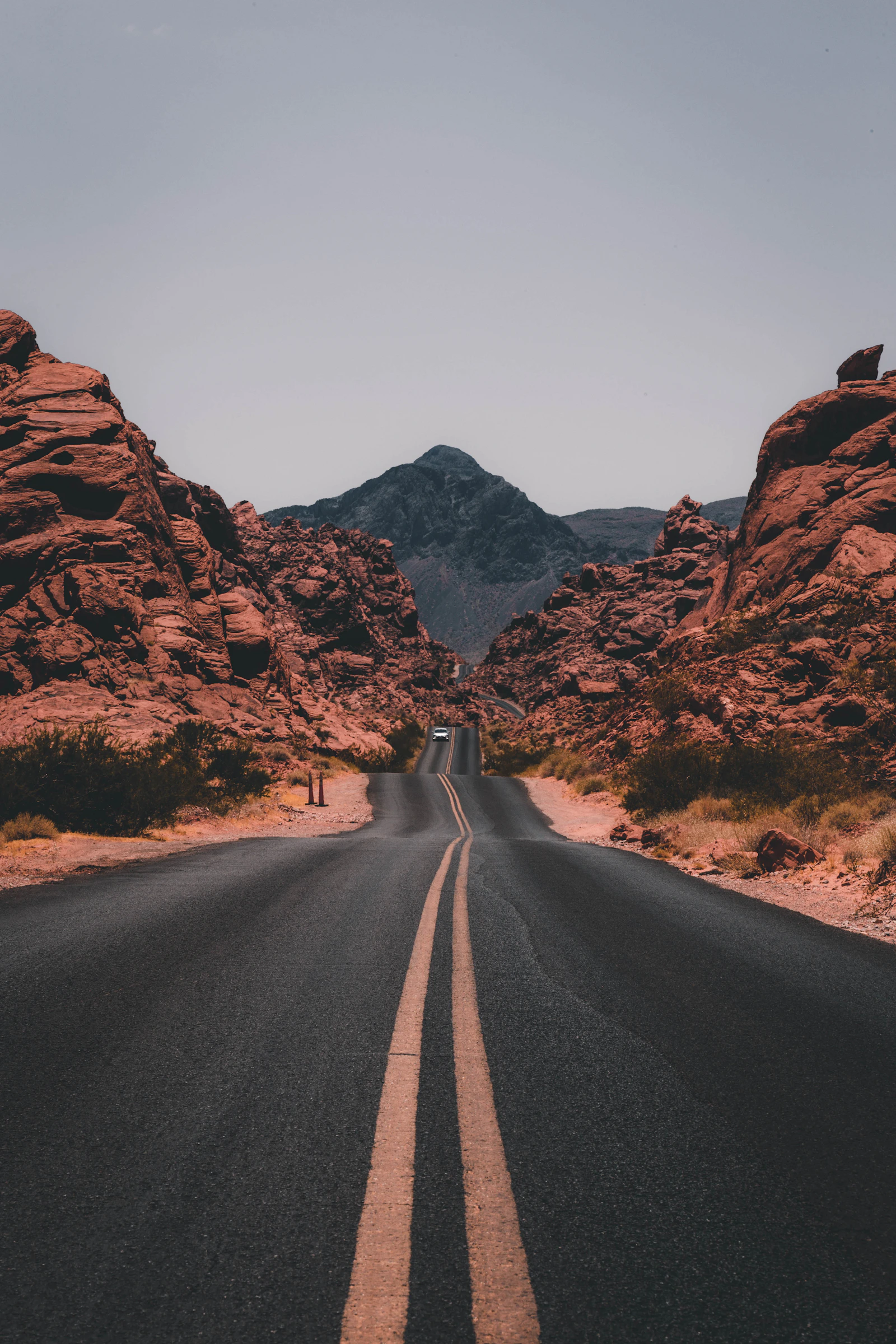
The next era of food will not be shaped by ingredients alone. It will emerge from the choreography of biology, interface, ritual, place, and meaning.
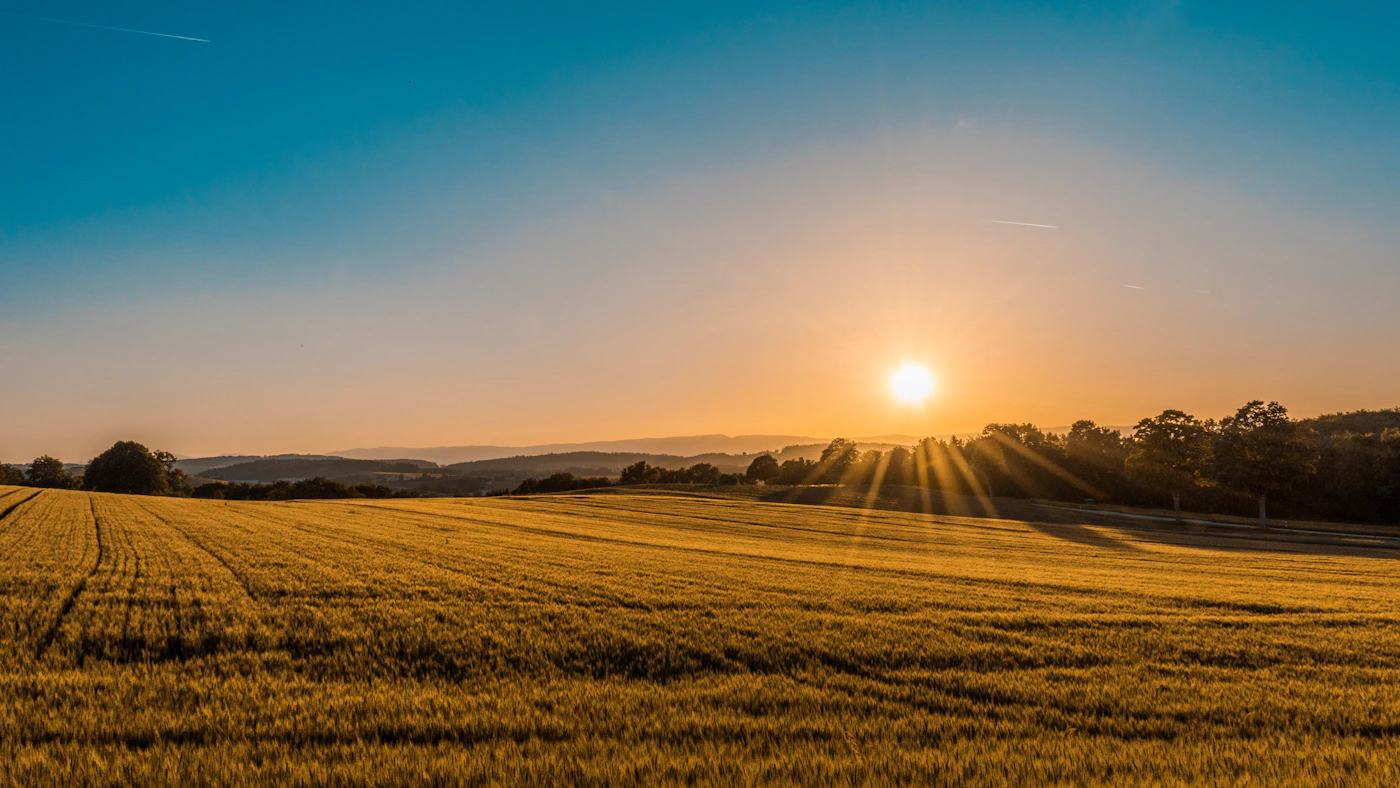
Icelandic bathing culture offers more than a dramatic contrast between geothermal heat and North Atlantic cold. It is a civic ritual—and a compelling blueprint for humane wellness products, places, and services.

A design-minded audit of the evidence behind geothermal bathing, cold immersion, saunas, outdoor movement, sleep, supplements and the seductive promise of Nordic longevity.
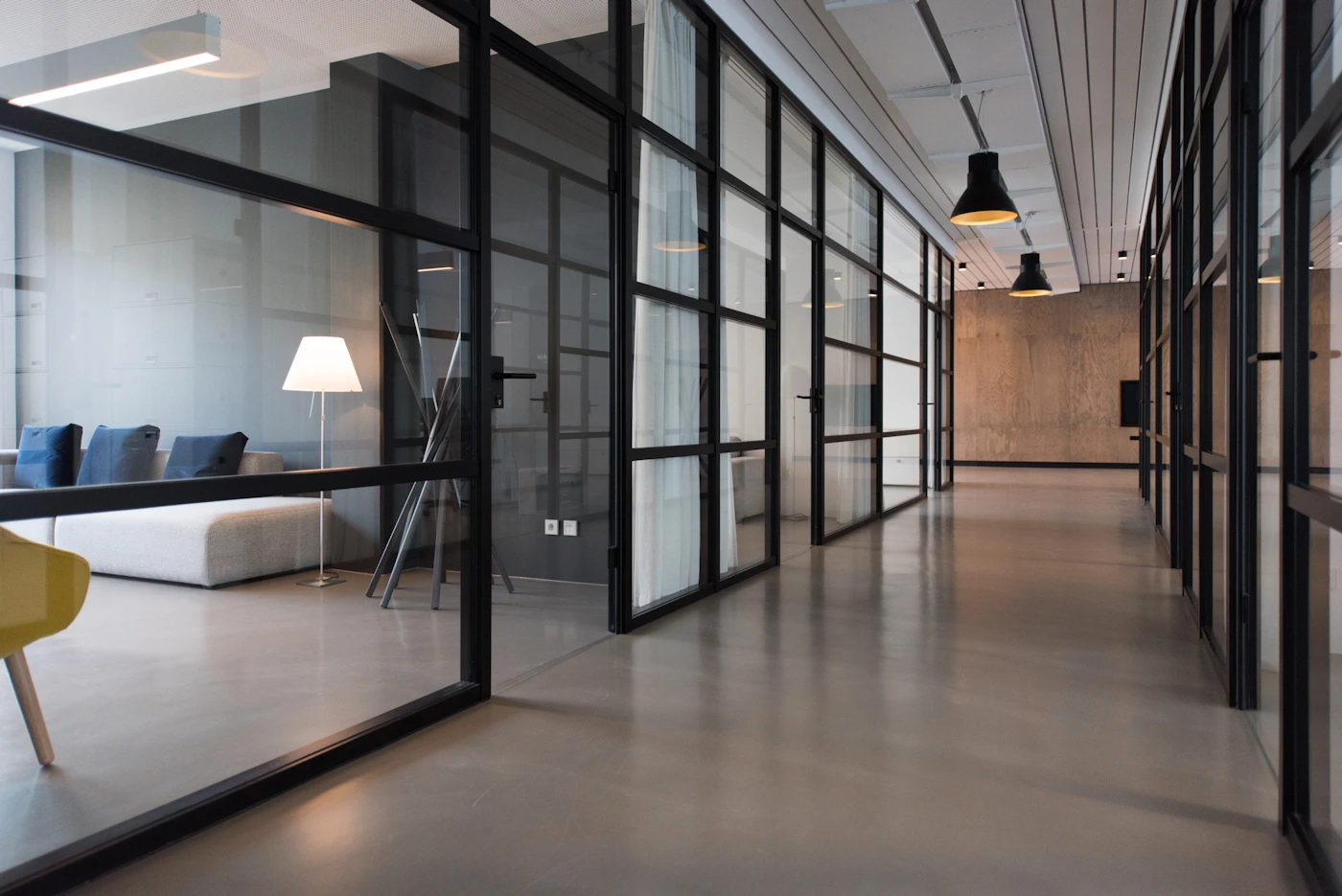
Iceland’s pools are more than leisure infrastructure. They form a civic wellness network where geothermal engineering, ritual contrast and everyday sociability converge—and offer a compelling blueprint for designers, founders and future-focused cities.

From geothermal lagoons and municipal pools to digital clinics, food makers and landscape stewards, Iceland offers a revealing model of wellness as shared infrastructure—and a testing ground for its more commercial future.

Wellness innovation improves when builders abandon seductive simplifications: that more data creates health, natural means safe, and personal discipline determines outcomes.
From our own rounds
Measured on The Curator, from real sessions people played on this site — not a third-party dataset.
- Rounds played here
- 172
- Questions per round
- 1.7